Product explainers ·
KDS vs paper tickets: what actually changes on the line
A kitchen display replaces the printer rail with a live screen. Here is what genuinely improves, what stays the same, and how to tell when the switch pays for itself.
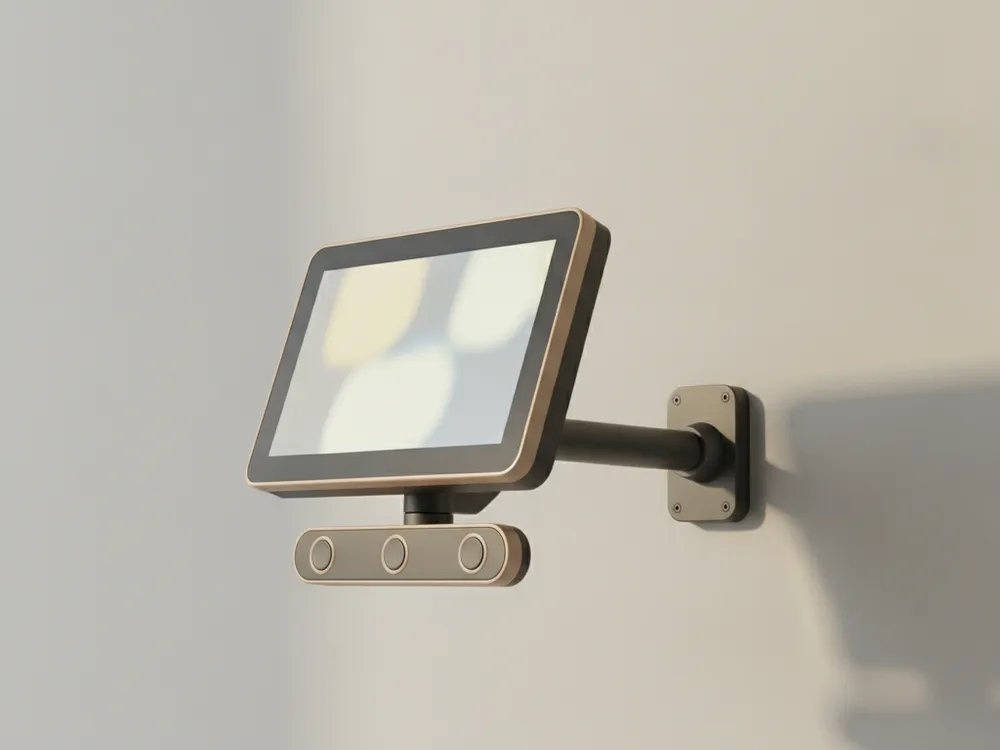
Every kitchen that grew up on a ticket rail knows the failure modes by heart: the ticket that curled and fell behind the line, the one that got grease-soaked past reading, the fired order nobody noticed for six minutes. A kitchen display system (KDS) exists to delete that whole category of problem.
What genuinely improves
- Nothing gets lost. Orders appear on screen the moment they are placed and stay there until someone bumps them. There is no physical object to drop, soak, or bury.
- Time becomes visible. Every order carries a live timer, and late items change color. The expo stops asking “how long on 14?” because the answer is on the wall.
- Modifications read clearly. No more deciphering a smudged “NO ONIONS” printed at 40 percent contrast. Allergens and mods render exactly as entered.
- The close gets shorter. A sealed screen wipes down like a cutting board. Ticket spikes and printer jams stop being closing tasks.
What stays the same
A KDS does not cook, expo, or fix a badly designed menu. Stations still need a sane layout, and a kitchen that was drowning at 80 covers will still be busy at 80 covers; it will just stop losing orders while drowning. Expect calmer, not slower.
When the switch pays for itself
Count two things for a week: remade plates caused by lost or misread tickets, and minutes a day someone spends physically managing paper. Most kitchens doing more than roughly 100 orders a day find the remake reduction alone covers a screen like ours within a couple of quarters, before counting printer paper that never gets bought again.
The hookup question
The usual objection is software: “our POS does not support a KDS,” or supports one only at a per-station monthly fee. That is exactly the case our Splitter exists for: it converts the ticket print stream your POS already produces into a live feed for the KDS, with no changes to your software and no new fees.